Is THCA safe to smoke? That’s one of the most common questions people ask as THCA flower becomes more widely available. THCA (tetrahydrocannabinolic acid) is often marketed as a non-psychoactive cannabinoid, but the way it’s consumed makes a major difference in how it affects your body.
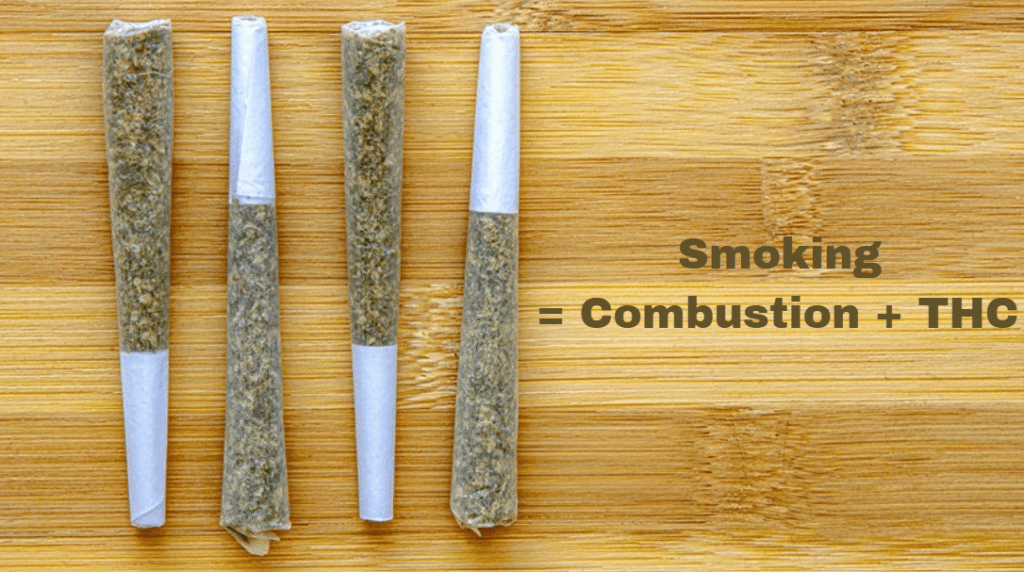
On its own, THCA does not produce a high. However, when you smoke it, heat instantly converts THCA into THC—the same psychoactive compound found in traditional cannabis. That means smoking THCA is not the same as consuming it raw or in non-heated forms.
People searching “is THCA safe to smoke” are usually trying to understand whether it’s safer than regular weed, how it affects the lungs, and whether there are hidden risks. In this guide, we’ll break down what THCA is, how smoking changes it, and what you should realistically consider before trying it.
You can explore lab-tested cannabis products in our Denver shop if you’re looking for properly sourced options and clear product information.
What Is THCA and How Is It Different From THC?
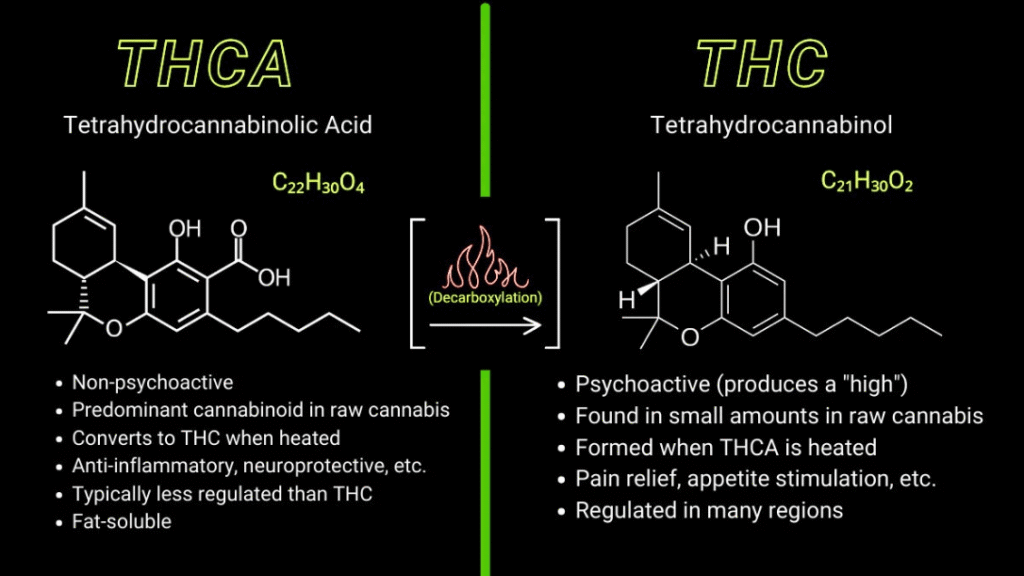
THCA is the naturally occurring cannabinoid found in raw and freshly harvested cannabis. Unlike THC, THCA is non-psychoactive, meaning it does not produce a high when consumed without heat.
The key difference lies in a process called decarboxylation. When cannabis is exposed to heat—through smoking, vaping, or cooking—THCA loses its acidic molecule and transforms into THC. This chemical change happens instantly when THCA is smoked.
This distinction is critical when asking is THCA safe to smoke, because once combustion occurs, you are no longer consuming THCA—you are consuming THC along with smoke-related byproducts.
In short:
- Raw THCA = non-intoxicating
- Smoked THCA = psychoactive THC
Is THCA Safe to Smoke? The Short Answer
The short and honest answer: smoking THCA carries similar risks to smoking regular cannabis.
While THCA itself is not intoxicating, smoking it introduces two unavoidable factors:
- Combustion, which produces lung-irritating byproducts
- THC conversion, which leads to intoxication and potential side effects
So when people ask is THCA safe to smoke, the reality is that it is not risk-free and should not be viewed as a safer loophole compared to traditional cannabis smoking.
Risks Associated With Smoking THCA
Understanding the risks is essential before deciding whether smoking THCA makes sense for you. These risks are not unique to THCA—but they are still very real.
Combustion Byproducts
Smoking anything—THCA flower included—creates harmful combustion byproducts such as tar, carbon monoxide, and fine particulate matter. These substances irritate the lungs and can contribute to coughing, throat irritation, and long-term respiratory issues.
This is one of the main reasons health professionals caution people who ask is THCA safe to smoke. The issue isn’t only the cannabinoid—it’s the act of smoking itself.
Even occasional smoking exposes your lungs to irritants that vaporizing or non-inhalation methods can help avoid.
THC Conversion and Intoxication
One of the most misunderstood parts of the question “is THCA safe to smoke” is what actually happens once heat is applied. When THCA is smoked, it rapidly converts into THC through decarboxylation. At that point, the effects are essentially the same as smoking traditional cannabis.
This THC conversion means smoking THCA can lead to intoxication, including side effects such as anxiety, paranoia, increased heart rate, dizziness, or mental fog—especially for people with low tolerance. For some users, the high may feel stronger than expected because THCA flower can contain very high cannabinoid levels before conversion.
In other words, if you’re smoking THCA, you should expect psychoactive effects similar to THC, not a mild or non-intoxicating experience.
Purity and Contamination Risks
Another major factor when evaluating is THCA safe to smoke is product purity. THCA flower and infused products are only as safe as their sourcing and testing.
Poorly sourced or unregulated products may contain:
- Mold or mildew from improper curing or storage
- Pesticides or chemical residues
- Heavy metals absorbed from soil
- Residual solvents from processing
Because smoking delivers substances directly to the lungs, contaminants pose a higher risk compared to some other consumption methods. This is why lab testing and Certificates of Analysis (COAs) are critical—they verify cannabinoid content and screen for harmful substances.
Without proper testing, smoking THCA carries unnecessary and avoidable risks.
Lack of Long-Term Research on Smoked THCA
While cannabis itself has been widely studied, there is limited long-term research specifically on smoking THCA-rich products. Most existing studies focus on THC or general cannabis smoke, not high-THCA flower marketed separately.
This lack of targeted research makes it difficult to fully understand the long-term respiratory or neurological effects of regularly smoking THCA. Until more data is available, it’s reasonable to approach smoked THCA with the same caution applied to traditional cannabis smoking.
Who Should Avoid Smoking THCA
Smoking THCA is not appropriate for everyone. Certain groups face higher risks and should avoid it entirely.
People who should not smoke THCA include:
- Minors
- Pregnant or breastfeeding individuals
- People with respiratory conditions such as asthma or bronchitis
- Individuals with heart conditions, including irregular heart rhythms
- Those with anxiety disorders, psychosis, or other mental health conditions
Because smoking THCA leads to THC exposure and combustion-related stress on the body, these groups may experience amplified negative effects.
Safer Alternatives to Smoking
For people asking is THCA safe to smoke, the better question is often whether there’s a less harmful way to consume it. While no method is completely risk-free, non-combustion options generally reduce respiratory stress.
Vaporizing THCA
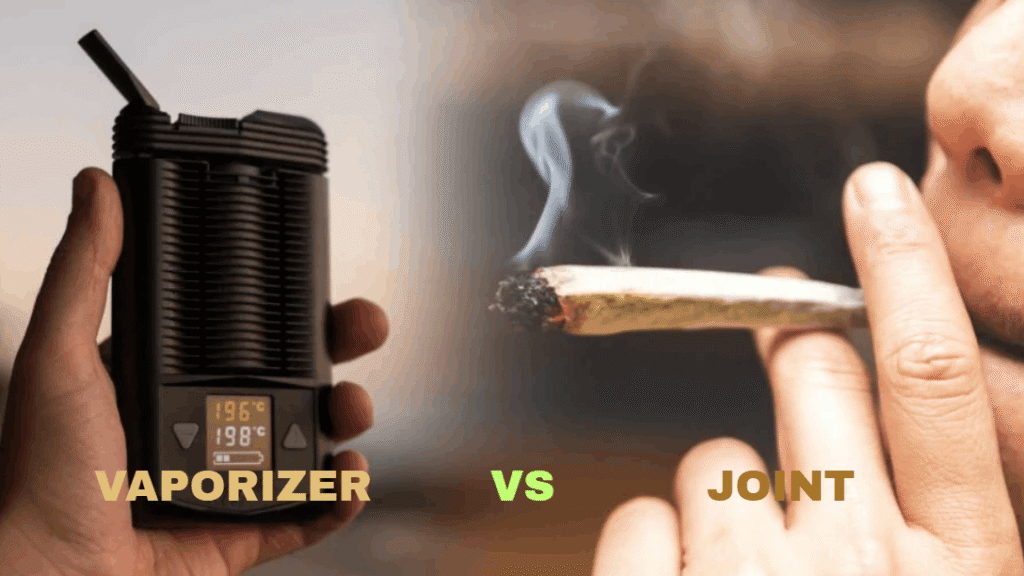
Vaporizing THCA flower using a dry-herb vaporizer is widely considered safer than smoking because it heats cannabis at lower temperatures. This reduces the formation of tar and many combustion byproducts while still allowing cannabinoid activation.
Vaporizing can offer:
- Smoother inhalation
- Better flavor preservation
- Less irritation to the lungs
- More controlled dosing
THCA will still convert to THC when vaporized, but the overall respiratory impact is typically lower compared to smoking.
You can find cannabis products suitable for vaporizing in our Denver shop, where properly stored and lab-tested options are available.
Non-Combustion Methods (Edibles & Tinctures)
For people concerned about lung health, non-combustion methods offer an alternative way to consume cannabinoids without inhalation risks. Edibles and tinctures completely avoid smoke and vapor, eliminating exposure to tar and combustion byproducts.
With these methods, THCA is typically converted to THC during processing or digestion rather than through smoking. The experience is different: edibles and tinctures take longer to kick in—anywhere from 30 minutes to two hours—but the effects tend to last much longer compared to inhalation.
This slower onset can feel more controlled for some users, but it also requires patience and careful dosing. While these methods don’t answer “is THCA safe to smoke” directly, they exist precisely because many people prefer to avoid smoking-related risks altogether.
Key Considerations Before Trying THCA
Before deciding whether smoking THCA is right for you, there are a few important factors to consider beyond basic safety.
Dosage:
THCA-rich products can convert into high levels of THC when smoked. Starting with a small amount is essential, especially if you’re new or have low tolerance.
Legal status:
THCA exists in a legal gray area. While it may be federally derived from hemp in some cases, state laws vary widely. Always check local regulations before purchasing or using THCA products.
Drug testing:
Smoking THCA can absolutely lead to a positive drug test. Once converted to THC, it produces the same metabolites that standard drug tests look for.
Sourcing:
Quality matters. Proper storage, lab testing, and transparent sourcing reduce the risk of contamination and inaccurate cannabinoid levels—especially important when evaluating is THCA safe to smoke.
Frequently Asked Questions About THCA Safety
This section directly addresses common search queries related to is THCA safe to smoke, helping clarify confusion and set realistic expectations.
Is THCA safe to smoke compared to regular weed?
No, smoking THCA is not significantly safer than smoking regular cannabis. Once heated, THCA converts into THC, and combustion produces the same lung-irritating byproducts. From a respiratory and psychoactive standpoint, the risks are very similar.
Does smoking THCA get you high?
Yes. Smoking THCA converts it into THC almost instantly. This means you will experience intoxication, including euphoria, altered perception, and potential side effects like anxiety or increased heart rate.
Can smoking THCA show up on a drug test?
Yes. Drug tests do not distinguish between THC sources. Smoking THCA leads to THC metabolites in the body, which can trigger a positive drug test result.
Is vaping THCA safer than smoking it?
Vaping THCA is generally considered safer than smoking because it avoids full combustion and reduces exposure to tar and harmful smoke particles. While THCA still converts to THC, the overall impact on the lungs is typically lower.
You can browse vape-compatible cannabis products in our Denver shop if you’re looking for options designed for vaporization rather than smoking.
Is THCA legal to smoke?
THCA legality depends on state law. While some THCA products are derived from hemp, smoking them may still fall under cannabis regulations once THC conversion occurs. Always verify your local laws before using THCA products.
Final Thoughts: Is THCA Safe to Smoke?
So, is THCA safe to smoke? The honest answer is that it carries many of the same risks as smoking traditional cannabis. Combustion affects lung health, and THCA’s conversion into THC means intoxication, side effects, and drug test risks all apply.
For those who choose to use THCA, informed decisions matter—understanding sourcing, dosage, consumption method, and personal health considerations can make a meaningful difference. Many people ultimately prefer vaporizing or non-combustion methods to reduce avoidable risks.
If you’re prioritizing quality, transparency, and proper storage, you can explore lab-tested cannabis products available in our Denver shop to make more informed choices.